
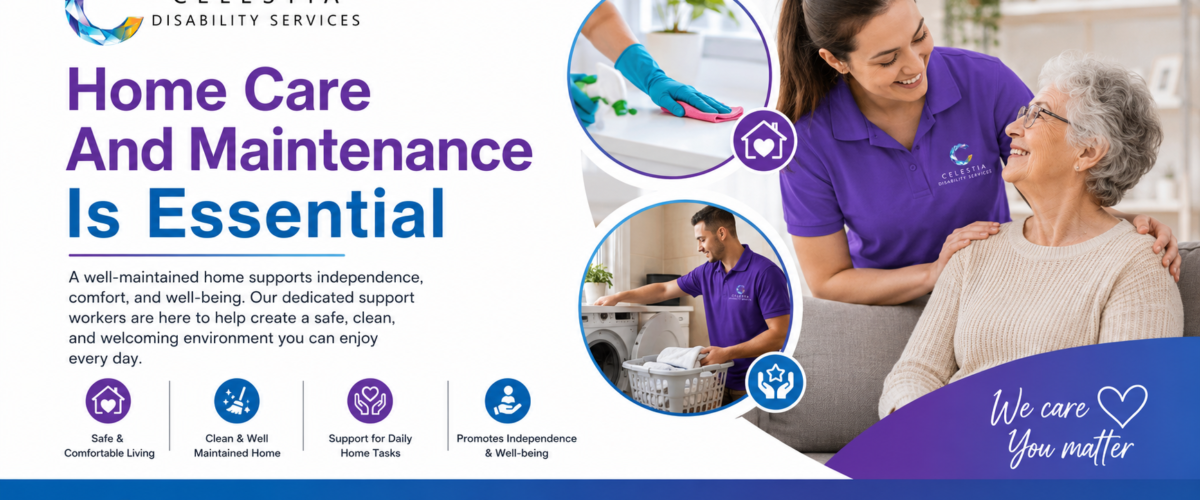
6 Proven Disability Home Maintenance Tips for Fall Prevention
Falls at home can happen in a split second, but for participants, the impact can last much longer. The good news? With the right approach to home care maintenance for disabled in Auburn, you can create a safer, more supportive living environment that reduces risks and boosts confidence every day.
Let’s walk through six practical, proven tips that truly make a difference.
-
Keep Walkways Clear and Clutter-Free
A tidy home isn’t just about aesthetics; it’s about safety. Items left on the floor can quickly become trip hazards.
Focus on:
- Removing loose rugs or securing them properly
- Keeping electrical cords tucked away
- Ensuring hallways and entryways are always clear
Many families searching for “NDIS home maintenance support near me” often overlook how small changes like decluttering can significantly reduce fall risks.
-
Improve Lighting in Key Areas
Dim lighting can make even familiar spaces dangerous. Good visibility is essential, especially at night.
Consider:
- Installing brighter LED lights in hallways and bathrooms
- Using motion-sensor lighting for late-night movement
- Adding bedside lamps for easy reach
Reliable disability home maintenance services in Wentworthville often include lighting upgrades as part of a broader safety plan – because seeing clearly is your first line of defence.
-
Install Grab Rails and Support Fixtures
Bathrooms and stairways are common fall zones. Adding support where it’s needed most can prevent serious injuries.
Key areas to reinforce:
- Near toilets and showers
- Along staircases
- At entry points with steps
A trusted local NDIS property maintenance provider can assess your home and recommend the safest placements tailored to individual needs.
-
Maintain Non-Slip Surfaces
Slippery floors are one of the biggest hazards in any home. Simple upgrades can make surfaces much safer.
Options include:
- Non-slip mats in bathrooms and kitchens
- Anti-slip coatings on tiles
- Textured finishes for outdoor paths
With proper home care maintenance for disabled in Auburn, these adjustments are quick to implement but offer long-term peace of mind.
-
Regularly Check and Repair Flooring
Uneven flooring or loose tiles can easily lead to trips and falls. Routine inspections are key.
Look out for:
- Cracked tiles or lifted edges
- Worn-out carpets
- Uneven thresholds between rooms
If you’ve been searching for “NDIS home maintenance support near me”, it’s worth choosing a provider who offers ongoing inspections, not just one-off fixes.
-
Optimise Furniture Layout for Easy Movement
Sometimes, the way furniture is arranged can restrict safe movement. A thoughtful layout creates more space and reduces risk.
Tips to follow:
- Keep frequently used items within easy reach
- Avoid overcrowding rooms
- Ensure clear paths between furniture
Professional disability home maintenance services in Wentworthville often include home layout adjustments to better suit mobility needs, making daily living smoother and safer.
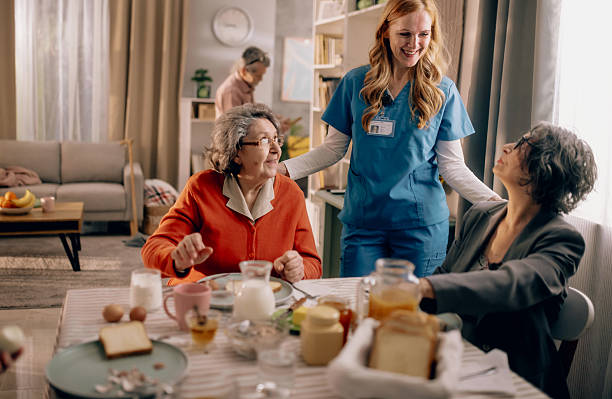
Creating a Safer Home Starts Today
Fall prevention isn’t about major renovations; it’s about smart, consistent improvements that support independence. Partnering with a reliable local NDIS property maintenance provider ensures your home evolves with your needs, keeping safety front and centre.
Ready to Make Your Home Safer?
Let’s Create a Safer Space Together
At Celestia Disability Services, we specialise in practical, participant-focused solutions that truly make a difference. Whether it’s cleaning or ongoing support, we’re here to help you stay safe and confident at home. Call us today on +61 477 999 899 and take the first step towards a safer living environment.
Frequently Asked Questions
-
Can seasonal changes inside the home increase fall risks?
Absolutely. Cooler months can lead to condensation on floors, while rugs and mats may shift more often. Regular seasonal checks help maintain a consistently safe environment.
-
How do specialised maintenance services adapt homes for long-term mobility changes?
Experienced providers offering disability home maintenance services in Wentworthville focus on future-proofing homes by gradually introducing safety upgrades like rails, improved layouts, and adaptive fixtures as mobility needs evolve.
-
Are there overlooked areas in the home that commonly contribute to falls?
Yes, spaces like laundry rooms, garages, and outdoor entryways are often ignored but can be just as risky due to uneven surfaces or poor lighting.
-
Can maintenance services be personalised for different levels of independence?
Definitely. With tailored home care maintenance for disabled in Auburn, services can be adjusted to suit individual routines, ensuring participants retain independence while staying safe.
-
Is there a benefit to scheduled maintenance rather than one-off fixes?
Ongoing maintenance helps identify small risks before they become serious hazards, offering consistent safety rather than reactive solutions.
-
How do local providers ensure culturally appropriate and participant-centred care?
Reputable teams delivering disability home maintenance services in Wentworthville take time to understand each participant’s preferences, routines, and cultural needs, ensuring solutions feel comfortable and respectful.
-
Can minor home adjustments really reduce hospital visits?
Yes, even small upgrades like better lighting or non-slip surfaces can significantly lower the likelihood of falls, which are a leading cause of injury-related hospitalisations.
-
What makes a maintenance plan truly effective for fall prevention?
A well-structured plan through home care maintenance for disabled in Auburn combines regular inspections, proactive upgrades, and ongoing adjustments based on changing needs.
-
Are smart home features useful for fall prevention?
They can be incredibly helpful. Motion sensors, automated lighting, and alert systems add an extra layer of safety, especially for participants living independently.
-
How do families know when it’s time to upgrade home safety measures?
If daily tasks start feeling harder or near-misses occur, it’s a strong sign that the home environment needs reassessment and improvement.